Writing Center “Promotes Task of Writing”

History

Spring Arbor University’s Writing Center seeks to help students become better writers through individual consultations. According to Associate Professor of English Dr. Jeff Bilbro, “the Writing Center is an opportunity for learning.”  Aside from copy editing, the Writing Center helps students with thesis, organization and clarity.

The Writing Center’s roots are from the former writing assistance program “Write Right. ” Bilbro said before he came to Spring Arbor, the writing program was just a few tutors.  Professor of English and Chair of the Department of English, Dr. Kimberly Moore-Jumonville said “writing is part of life” and the English Department has been working hard in the past few years to improve writing skill and prepare students for life after college.

The English Department developed the required English writing classes as well as the department exams to ensure students are competent. They also created a faculty position where the professor would teach 18 credits and the remaining time would be spent building up a new writing assistance program, now called the Writing Center, instead of teaching the usual 24 credits.

In 2012, Dr. Jeffrey Bilbro was hired to fill this position.  He had experience working in the writing center at Baylor University where he did his graduate work and developed a passion for improving students’ writing. The new Writing Center began in the basement of the student center and moved to their current location on the main floor of the library.

Current

The current Writing Center tutors are different than the Write Right tutors.  Bilbro handpicks them from students in his classes and recommendations from other professors.  Interested students fill out an application and submit two essays to showcase their writing competency. Then Bilbro interviews the students.  Bilbro said he looks for students with strong writing ability and good people skills because they need both to be successful tutors.

Picture 1

[Current Writing Center tutors, left to right, Bethany Hart, Hannah Dennings, Morgan Foster, Erin O’Connor, Carly Thompson, Kayla Chenault.  From The SAU Writing Center Facebook page.]

Once hired, the tutors take a one credit class that teaches writing pedagogy and tutoring theory with Dr. Bilbro.  Each new tutor is paired with a veteran tutor who acts as a mentor and observes tutoring sessions and gives feedback to the new tutor.

The Writing Center tutors handle approximately 600 appointments a year. Kayla Chenault, a senior writing tutor, said a tutor usually has two or three appointments in a day, but she remembers a time last semester when there were three tutors working and they had 41 appointments total that day.  The Writing Center is normally open until 5 p.m. but on that day they stayed until 10 p.m.

Chenault organized both of the Annual Research Symposiums. To take part, students submit 5-10 page research papers.  Chenault removes the names from the papers so submissions are anonymous in the grading process, and copies are made for the other Writing Center tutors to grade and discuss. The papers are graded on precision of language, originality of topic and the actual research.

The Writing Center also provides writing workshops every semester based on the most common problems students have during sessions.  Chenault presented on Critical Reading because many students struggle with knowing what information is important in a text. The other presentations addressed the placement of commas, writing style and thesis composition.

Dr. Moore-Jumonville said Bilbro “promotes the task of writing.”  She is excited to see his newest initiative take off. This year was the first Writing Intensive trip to Cedar Bend, where students and faculty were able to relax, write and offer feedback to each other.  There were 18 participants this year and Moore-Jumonville said she hopes that the trip will have enough funding to become an annual event.

Check the Writing Center out on Facebook.    https://www.facebook.com/TheSAUWritingCenter?fref=ts

By Jenny Croizer

Save

Standardized Protests

THE INTRO

In school there was nothing I hated more than standardized testing. They took up a bunch of time, were boring and stressed me out. I always figured standardized tests were just a part of school life and colleges needed the scores to properly judge where people were at academically, so I just went along with it and only complained to my friends at lunch.

THE WHAT

The Washington Post reported on a new phenomenon growing among parents of grade schoolers: opting out of standardized testing. Parents are becoming more and more upset with the current academic system and the importance of standardized tests in America. To show their distain they simply don’t take their children to school for test days. The tests are only effective if everyone takes them, so this really throws a wrench into the system.

THE WHY

If this reaction seems a bit drastic, it’s because it is. With the current education system, children are required to take standardized tests to assess if they should pass on to the next grade or if a school is properly educating kids. But this wasn’t the first step. Bianca Tanis, the founder of New York’s opt-out group, told CNN reporters they’ve been lobbying to the governor for years and feel the need to do this because instead of simply ignoring them, the governor has actually passed laws to make teacher evaluations more heavily governed by the test results.

THE WHO

Opt-out groups have been sprouting up all over the United States, with meet ups in every state. All of them have the common goal of evicting standardized testing, created by the No Child Left Behind Act, from the educational system. Many parents, like Tanis, feel the current system is flawed and they need to “take back the classrooms.”

THE GOOD

Standardized tests aren’t all doom and gloom as they’re so often portrayed. In many ways they do some real good for the education system. Their main benefit is their most obvious: they create a standard system for judging levels of education and intelligence. With standardized tests, educators can see which school districts are doing worse than others at teaching their students, then send people to find out why and fix it. The tests also make sure teachers in low-income school districts are held to the same base standard as others in high-income school districts.

THE BAD

The tests aren’t all good either, though that much can be seen just by the protests. Standardized testing can cause many problems, not the least of which is stress. It causes stress for students, who feel as if the tests will dictate their future and if they fail then they won’t be able to succeed out in the real world. It also causes stress for the teachers, who need to cover specific sets of material in order to prepare their students. In some cases their jobs may even depend on their students scoring well. Another major issue is that teachers need to teach specific things, they’re not free to teach other topics that the class might find interesting. They’re not free to spend another week diving deeper into a topic that the class needs more work on because many surface-level topics have to be covered.

THE CONCLUSION

Whether you’re for or against standardized testing, this is becoming more of an issue in the US every year. According to CNN, in New York, an estimated 14% of all students will opt out of standardized tests this year, and the number continues to grow.

By Evan Roberts

Is TIDAL the Answer to Music Streaming?


from tidal.com
from tidal.com

You may have heard about the star-studded press conference held by Jay-Z on Monday. It was all in support of his recently acquired music streaming service, TIDAL.

Artists such as Alicia Keys, Arcade Fire, Daft Punk, Jack White Kanye West, Rihanna, Usher and Deadmau5 have been locked in as direct supporters and were even given a small piece of the company in return.

TIDAL’s claim to superiority in the streaming world is that it will stream CD-quality audio as opposed to the MP3 quality that platforms like Spotify and Beats Music use. These “CD-quality” files come in FLAC, WAV, AIFF and Apple Lossless files and take up significant more space than an MP3 or AAC file.

Jay-Z has come out strongly against the current music-streaming system which has seen much backlash for supposedly ripping off artists. Spotify has said that artists receive $0.007 per play and that it has paid more than $1bn in royalties since it’s launch in 2008.

Artists such as Thom Yorke and Taylor Swift alongside others have pulled their music from Spotify in protest. Spotify has responded by saying they believe their service is a valid alternative to piracy and they continue to pay out nearly 70% of all revenues in royalties.

However, this money rarely makes it too the artists before being thinned out. BBC news said, “This 70% is usually paid direct to record labels, who take their cut before it reaches managers and artists.”

Dave Johnson of TIME released an article outlining what artists earned from streams based on Spotify’s current payout rate and the amount of streams the artist received. At roughly 30 million (M) plays in October 2014, Stay With Me would’ve earned Sam Smith $170k-240k. At 20M plays, Cool Kids would’ve earned Echosmith $120k-170k. Although this amount is perhaps not as large as it would be if the albums were downloaded in full from iTunes or bought in a store, it’s certainly not chump change.

I’ll admit, I love Spotify. I pay the $9.99 per-month fee for their premium subscription. Aside from the ability to access nearly any album or song at anytime for one flat rate I enjoy the usability and format of their app. Everything is no more than a couple easy clicks away and the app is appealing to the eye in a streamlined sort of way.

I also, however, will go out to a store and buy a hard copy of an album if I like it. In fact, I bought two albums in Best Buy this week after listening to them on Spotify and enjoying them. I want to support the artists as much as I can.

Online music streaming doesn’t have to be a bad thing. Hopefully all of this conversation leads to improvement in all areas of the industry. In the meantime, do what you can to support the artists you love. Spare the $8-10 to buy an album in a store, every purchase matters.

By Jesse Gentry

Top 10 Music Videos from 2012-2015

What is the first music video you can remember watching?  The first I remember watching was “Wrong Way” from Sublime. I remember the video being super goofy and weird, however, what else can one expect from a music video made in the 90’s?

The 2015 YouTube music awards took place last week, so in light of that, I have compiled a list of the top 10 videos from 2012-2015 having particular visual, artistic, and narrative interest. Each video has unique qualities either from how they were filmed, edited, and performed. On especially important quality to acknowledge is the visual narrative each song delivers.

Just like films, novels and music albums, great music videos impact and bring awareness to the viewer. Some say an artist’s potential lies in their ability to write, perform, create and sell music. This is accurate, however, an artist’s ability to synthesize multiple art mediums separates performers from artists. In America, modern pop culture is the societal collective of our beliefs, values, interest, and traditions. Hence, when a valued and largely followed artist has a music video, in essence they’re demonstrating the visual narrative of our pop culture. The music videos that comprise this list demonstrate significant artifacts in pop culture trends.

1. Alvvays-Next of kin. The effects and artfulness, enhances the mood and vibe of this melodic gem.
Connor Gilhooly
Connor Gilhooly
2. TV on the Radio- Happy Idiot, Paul Reuben (Pee-wee- Herman) and Karen Gillian (Doctor Who, and Guardians of the Galaxy) star in the video. 
Danny Jellnek
Danny Jellnek
3. Mogwai-Teenage Exorcist, The unique use of practical and digital effects that is seen in the video. 
Craig Murray
Craig Murray
4. Young the Giant- Apartment, the narrative and plot uniquely integrates the story of a man having an adventurous birthday and the lead singer dreaming about the events that took place. 
Marcus Haney
Marcus Haney
5. Phantogram-Fall in love, the use of special effects and performance displayed by the group that shows the intensity and emotion of the song.
Joshua Davis and Timothy Saccenti
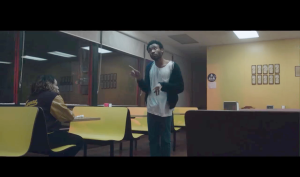
6. Childish Gambino –Sober, the 80’s R&B pop vibe the song has, also the dance moves that Donald Glover throws down, and the various technical changes in the video. 
Hiro Murai
Hiro Murai
7. Foster the People- Best Friend, the intense and trippy effects of this dark twisted narrative depicting how the idea of beauty can be an addiction and lead to one’s downfall. 
Brewer
Brewer
8. Vampire Weekend- Diane Young, the cameos of indie/pop artist such as Sky Ferreira, Santigold, Chromeo, Despot, Dave Longstreth of the Dirty Projectors, and Hamilton Leithauser from The Walkmen and their all having a party. 
Primo Kahn
Primo Kahn
9. Death cab for cutie- Black Sun, the Music video is about death cab for cutie making a music video, the irony.
Robert Hales
Robert Hales
10. Joey Bad$$- Like me, the emotional content and story of the main characters struggles of being a black minority facing street life, police, love affairs and grudges. Near the end of the video Joey Bada$$ pays respect to fallen minorities, as they’re being resurrected from the after life.
Nathan R. Smith and Joey Badda$$

Seven Micro-Adventures to have in Jackson County


Photo by Alexandra
Photo by Alexandra Harper

Stop saying there’s nothing to do on the weekends. I repeat: stop saying there’s nothing to do on the weekends. Now, I grant you, if you have no car, no friends with access to car, and no one to beg, borrow, or steal a car from; your choices are indeed limited. However, the majority of students here have a car, and the majority of those who do not can con a ride occasionally.

I’m sorry, you say, but there’s nothing to do: I’ve been to Aka, to JCo, City Crepes, and Target…there really is nowhere else to go. It’s a lie, don’t buy it. And on that note, how can you afford all that? I’ve spent four years in this county looking for its wildest and least expensive parts and though I’m no native, I’ll reveal a few Jackson micro-adventures that I’ve particularly enjoyed.

A man with the impressive name of Alastair Humphreys recently coined the term “micro-adventure,” the premise is easy: hypothetically you work a 9 to 5 job (with even a little more lenience on a college schedule), so what are you doing with the other 16 hours? The 5 to 9? Why aren’t you filling it with a myriad of memorable and spontaneous adventures that celebrate where you live and the fact that you are alive? Humphreys advocates taking these micro-adventures wherever you can and whenever you’re willing. Camp in your nearest woods. Sleep in a bivvy bag by the expressway. Go discover all you can. (If you’re hesitant of the legality of any of this, read his post here.)

So where can you micro-adventure in Jackson. Well thank you for asking, please let me give you a few options and as you adventure, feel free and tell me your own. After all, I still have a few 5 to 9’s and weekends before I graduate.

A LIST OF EXCITING, RIVETING & COMPLETELY UNDERRATED MICRO-ADVENTURES IN JACKSON COUNTY, MICHIGAN

  • 5 a.m. Hinkley’s run.

    Everyone loves hot doughnuts in the morning. However, few are brave enough to have hot Hinkley’s doughnuts in the very early morning. This is a fun one to kidnap a friend or partner for. In fact, the day I did it, I drove up to my boyfriend’s house, called him at 5 a.m. said to come outside and get in the car, handed him hot tea and then we drove to Hinkleys right when they opened (through a minor blizzard) to get Michigan’s best doughnuts at their best time.

  • The Dahlem Conservancy.

    Located just between Jackson and Horton, this nearby ecological non-profit has trails perfect for spontaneous walks, bird-watching, or just general nature-doings. Or look at their schedule for chances to take a bee-keeping class, go moonlight skiing, or an evening woodcock walk.

  • Geocache Jackson. Geocaching is treasure-hunting where the treasure is a little notebooks and trinkets like plastic army men and your iphone is your map. Download the Geocache app and you will find a plethora of tiny dots telling you where little surprises  are hidden (even on campus) it’s an underground network you never knew existed.
  • Ella Sharp Sites.

    Ella Sharp was a pretty impressive gal. Learn what all the hubbub was by going to one of the many sites that are named after her, whether you are sledding on Ella Sharp hill, looking at a nationally-acclaimed art exhibit in the Ella Sharp museum (all donation) or learning about her life in the Ella Sharp historical house. (Bonus: the Ella Sharp museum does inexpensive art classes, such as pottery throwing and figure drawing for those who want to flex an artistic muscle.)

  • Visit the nuns.

    A half-hour away in Rives Junction is the Dormition Romanian Orthodox Monastery—if you’re interested in experiencing both a different culture (Romanian) and denomination (Eastern Orthodoxy) attend Divine Liturgy (Saturday 9 a.m. Sunday 10 a.m.) if you feel out of you comfort zone, know it’s good for you, also know the only thing you’re expected to do is sit or stand without causing a ruckus. (Pro tip: stay after liturgy for a complimentary meal put on by the nuns—it’s worth it.)

  • Explore the fitness trail.

    If you think this is too close to home to be an adventure, then you’re missing out. Going off-road on the fitness trail is fantastic fun—there are great climbing trees behind Mt. Beebe, deer trails through the thickets, and people have even been known to camp out there. Is it allowed? I have no idea, but they’ve done it.

  • Do it Humphrey’s way.

    What is Alastair Humphrey’s suggestion on finding a great place to have a micro-adventure? Pack a sleeping bag/bivvy bag, find a map (preferably with topography), find the most remote and topographically interesting area. Go there. Sleep there outside. Say sorry if you’re caught on someone’s land. Never leave trash.

“I have a choice, the same choice that faces every man. I can live a frivolous life, trying to impress others with the house I live in, the clothes I wear, the car I drive. I can strive to be a success in the way of the world, seeking the admiration of others, reveling in their jealousy…I can complain about boredom, as if it were up to those around me to inject excitement into my day. These are the patterns of the living dead, people who have forsaken life, who are willing to squander their most precious gift, because they refuse to face up to the reality of death. If they wanted to live, truly wanted to live, they would rise up in a resurrection of their own making and commit themselves to the life they have.”
– Richard Bode.
Beachcombing at Miramar 

By Alexandra Harper

Pebble Time


apple-event-0909-28[1]
from wired.com

Many people are aware of the famous (or infamous) device: the Apple Watch. It is designed to be the equivalent of a tiny iPhone attached to straps and can be worn as a watch. Many criticize its small screen, low battery life and high costs. But people still want to buy the miniscule timepiece. This fact caught the attention of Eric Migicovsky, CEO of the company Pebble.

Three years ago, Pebble created their first smartwatch, and crowd-sourced the funds to create it. They managed to raise a whopping $10 million, with 69,000 people backing it. But now, Pebble has outdone even that amount with their new efforts to crowd-source the second model of their watch, Pebble Time.

The company set their initial goal at a humble $500,000. But on the very first day they set a new record for the fastest record for any crowd-sourced item has reached $1 million. Within only 49 minutes they had shattered the record, and by the end of the week had raised more money than any other Kickstarter campaign to date. The Pebble Time is currently being backed with over $20.3 million, with 78,463 people pitching in.Kickstarter-featured_image[1]

The second highest-funded Kickstarter, the Coolest Cooler came in at only $13.3 million, and Pebble’s first Pebble Time creation still holds third place at $10.2 million. Those are even higher than the efforts to fund wireless ear buds and bringing back the popular children’s tv program Reading Rainbow. In fact, the amount of money going into the funding of Pebble Time is slightly over 1% of America’s total gross domestic product.

To put that into perspective, with the amount of money pledged to the creation of this smartwatch, a single person could buy:

1. 2 million and 30 thousand slices of Marino’s pizza.

2. 50 decent-sized houses in a nice neighborhood (official estimate terms used)

3. LeBron James’ mansion in Miami, and still have a nice $3.3 million left over

4. Or 1,194 of the most expensive versions of the new Apple Watch

But why are people going nuts over Pebble? To look at that, you need to look into why the original Pebble sold so well, as well as what is promised with the new Pebble Time.

Pebble 

The original Pebble has a wide variety of features. It can synch up to almost any smartphone device, unlike the Apple Watch which is only compatible with iPhones and other Apple devices. It is also water resistant, has access to thousands of apps and most importantly has a massive battery life of around 7 days. The Apple Watch’s biggest complaint is its small battery life, needing to be charged up about every day.

from the verge.com
from the verge.com

The Pebble Time, the new second edition product, boasts a more improved version of the already popular previous model. It will have a color screen, even better battery life, a thinner model than the original Pebble and even a microphone.

Needless to say, whatever Pebble is doing, it is doing it right. With 78 ,000 backers and over $20 million in pledges, people want this new gadget and they want it badly. Watch out Apple, you’ve got competition and its name is Pebble.

By Evan Roberts

Long boarding 101


from imgur.com
from imgur.com

As the weather warms, we’re all looking for excuses to be outside, one great one is long boarding. Now, I’m going to be honest with you: I didn’t learn how to long board until last summer and it was not an easy thing to do, but if an uncoordinated nerd like me can learn, I have faith that you can too!

Learning to long board feels a lot like learning how to fall on your face. Don’t worry though, if you fall on a long board people will assume you are cool simply because you have a long board. A very basic formula you can always go by is: long board = cool, even if that means you wipe out on one. With that being said here are a couple tips on how to fall on your face with style.

Learn to push the board

Many people who start learning to long board are terrified to start pushing the board. This is most likely because of Newton’s first law, “an object in motion stays in motion.” This means that if you wipe out while moving it will probably hurt pretty bad, but the one formula Newton never discovered was that long board = cool, so that clearly trumps Newton’s law.

While learning to push the board, many people will start by standing on the board and quickly fall on their face. For beginners it is much harder to simply stand on the board than it is to push the board. This may sound backwards since growing up you need to learn how to stand before you can walk, but think about it like a bike. You can’t sit on the bike with your feet up if it is not moving; it requires motion to stay balanced. Long boarding is very similar. After you are comfortable with learning how to push then see if you can stand on it. This will greatly reduce the amount of times you fall on your face.

Find your footing

In long boarding one foot will always be positioned on the long board and that foot should point in the direction that the long board is headed. The other foot will be your push foot and will be used to push the board to get it going and once it is in motion the push foot will gently sit behind your lead foot.

Find out if you like pushing with your left foot or your right foot. You may ask “well how am I supposed to know?” There are many tips online telling you things like “Have your friend push you and the foot you catch yourself with is the foot that should be in the front.” But this trick may make you fall on your face which is what we are trying to reduce.

Another tip suggests you “walk up a set of stairs and use the foot you start with as your lead foot.” However when I tested this trick it didn’t work for me. Feel free to try these tips if you want, but just know that I used the opposite foot that was suggested, which means you may as well. Realize that the best way to learn is through experience. Try a couple times with pushing with your left foot, and then a couple times pushing with your right foot. If neither one feels more comfortable than the other just choose one of them to practice with. It will become comfortable in no time.

Know basic board physics

A majority of falling on my face was because I didn’t know basic board physics. I wasn’t aware that riding into grass with your long board doesn’t work like a bike. A bike you slowly bumble your way through the grass, a long board will force you into an immediate halt, and launch you off your long board (Apparently this is common knowledge for many people, but it wasn’t for me.)

Don’t turn too sharp. When you get comfortable on your board you will want to start to learn how to turn. Just know that if you turn too hard your board will fly out from underneath you. Starting up you probably will not turn so hard that you lose your footing, but its something you will want to keep in mind for the future.

Don’t jump on your board. Don’t get me wrong, when you are comfortable with your board you can jump on it all that you want, but do not jump on a board if you are new to long boarding. It will launch from underneath you and it will hurt pretty badly.

Have fun

Falling on your face doesn’t sound like fun, but after hard work and determination it will all be worth it. Just keep practicing and when you get to riding you will realize how great of a feeling it is. Just remember that even experts fall on their face so don’t expect to be an exception. Have fun as you learn to fall on your face with style.

By Joel Bradley

Save

Best Ice Cream Rankings

Spring Arbor University students sometimes need to splurge on a sweet treat or two after a hard week of studying. If you are ever craving ice cream (well, ice cream that is actually made with milk), stop by one of these places!

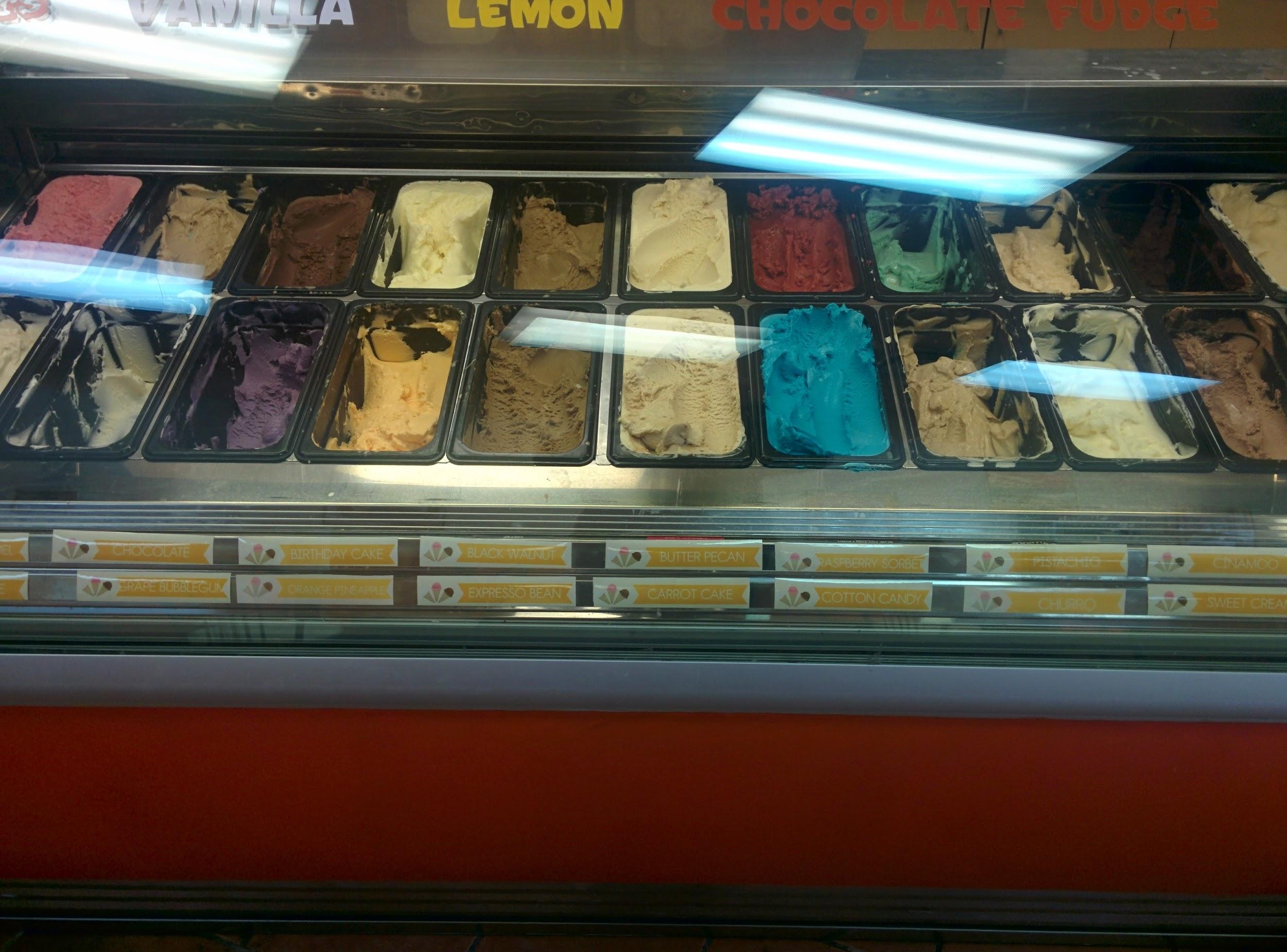
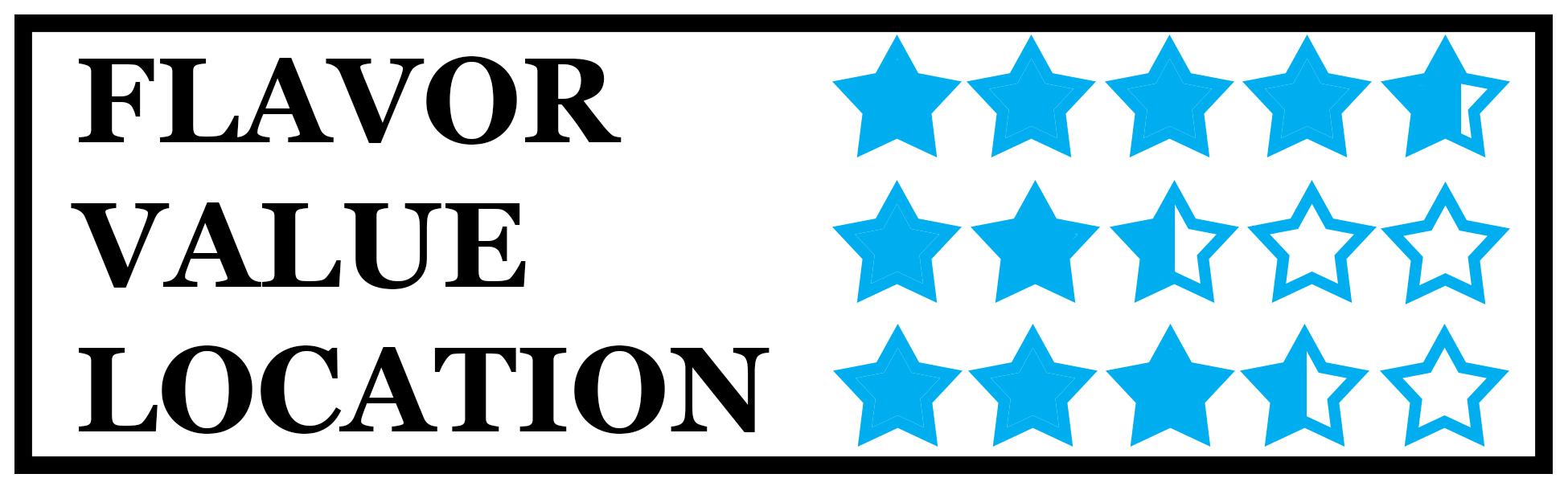
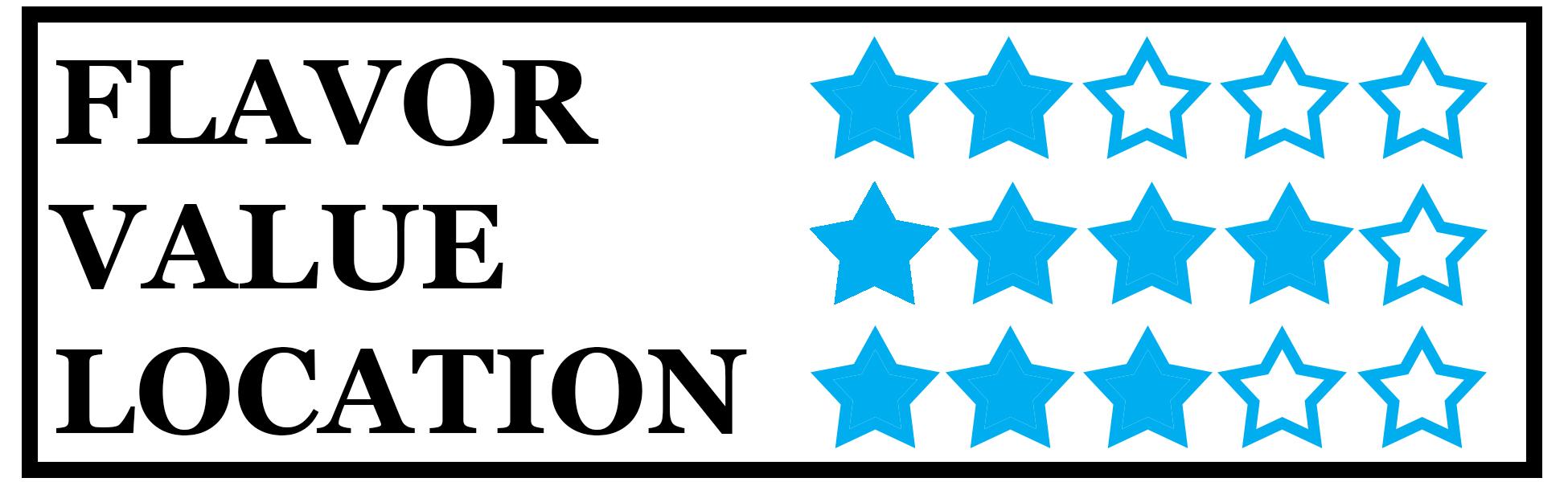
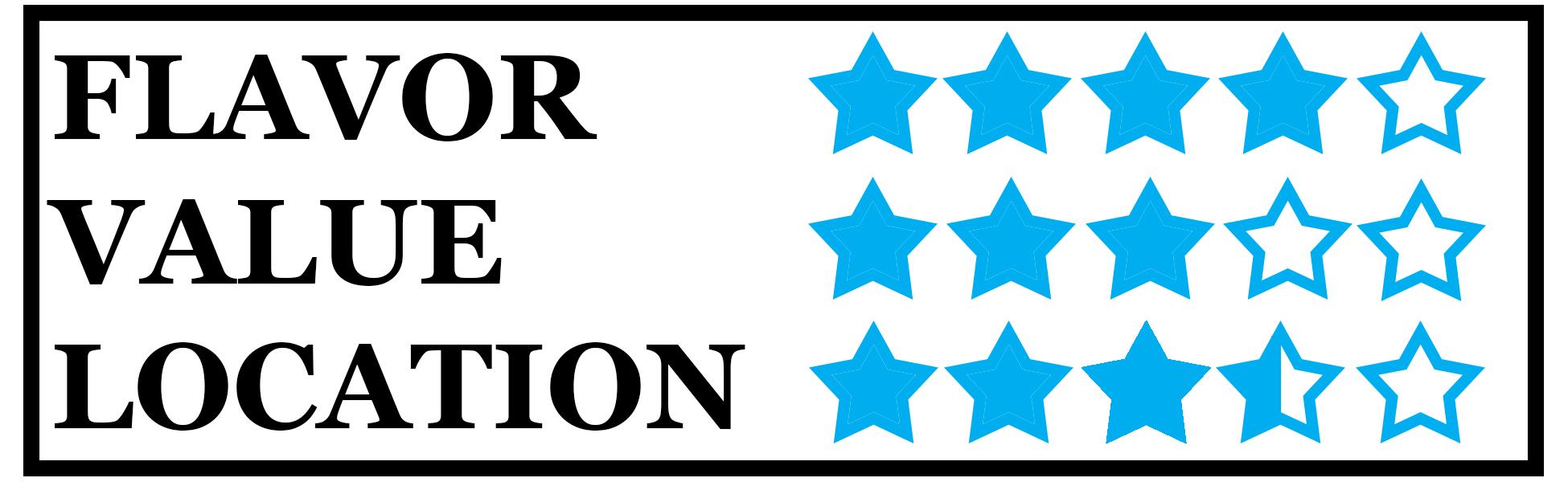
I ordered small vanilla bowls or cones at the following locations: Frosty King, The Parlour, and Sweet Scoops (formally known as Maggie Moo’s). The ice cream was then ranked by its flavor and value (amount of ice cream received versus price). The location was also rated.

Frosty King

ice creamLocated in Horton, MI, Frosty King is approximately 8 minutes (6.1 miles) driving distance from our campus. It is an outdoor-seating-only stop on the road with a drive through. It serves ice cream, shakes, other desserts, hamburgers, french fries and other snacks. Although there are few other reasons for SAU students to venture into Horton, the cheap prices and bountiful portions are worth the trip.

I ordered a small soft serve cone for $2.00 (pictured right). The amount of ice cream was significantly more than I expected and it filled the entire cone. However, the quality of the ice cream was not as pleasing as the quantity. This cone is able to inexpensively satisfy a craving, but it is not necessarily something that I would pay more than $2.00 for. (Quick side note: their shakes are delicious!)

rating 1

Best for: The location is close enough to bike to (you’ll burn off those calories in the process) and the amount of ice cream received is generous. It could be great for a late spring Saturday afternoon. Also, show a student ID on Wednesday and receive 10% off!

The Parlour

This Jackson landmark is approximately 13 minutes (7.8 miles) away from campus. It lives up to its name with its old time ice cream parlour environment and it also has a takeout option. The menu includes both dessert and dinner items.

ice cream 2
“What do you call an instructor at the parlour? A sundae school teacher”

I ordered a small vanilla cone for $2.99 plus tax. The hard serve ice cream was significantly richer than I expected and it filled up the majority of the cone. Although I payed more money for less ice cream, the taste and experience made it worth it.

rating 2

Best for: This classic is perfect if you want to go somewhere unique without going somewhere far away. I would suggest skipping the vanilla and trying one of their signature creations.

Sweet Scoops

Jackson’s local Maggie Moo’s has recently become independent and acquired the name Sweet Scoops. Although they are still in the process of rebranding, they haven’t let that affect their ice cream! This location is 10.2 miles (14 minutes) away from campus and it’s the perfect place to go after your latest Target run.

ice cream 3

I ordered a small bowl of cold stone style vanilla (3 oz) for $2.30. Although this did seem a bit pricy, the ice cream itself is so creamy and they do allow their customers unlimited mix-ins, like chocolate chips or strawberries. Their menu is primarily dessert oriented, including both yogurt and lactose free ice cream.

rating 3

Best for: This location is great for catching up with a friend! The ice cream is delicious and the environment is extremely inviting.

Is your favorite local ice cream shop missing? Let us know in the comment section!

By Courtney Applebee

Photos by Jacob Fisher

Life Working at Camp

If you are someone who can survive on little sleep, has constant energy energy, can endure hundreds of screaming voices and wants three months of worshiping Christ, then I have the perfect summer job for you: be a Camp Worker. 054 (2)

To start off, I am Jennifer Kilbourn, a senior at SAU. Over the past four summers, I have had the amazing opportunity to work at two Christian campgrounds: Covenant Hills Campground and Somerset Beach Campground. Over the course of those four summers, I had three different jobs; office assistant, counselor and camp photographer. Although these jobs are all fairly different, I would have to say that I enjoyed each job equally because they all had their own interesting parts. Before I go into more detail about the different jobs I performed, you should know that camp has always been a huge part of my life, both through going to camp as a kid and each of the camps I have worked at have been a part of my family for a long time.

But let’s get to more of the fun stuff, what does it look like to be a camp worker? Starting with being a camp counselor, you can find a large group of varying people who lead hundreds of kids to Christ every week. According to http://whyismarko.com/stereotypical-camp-counselors/there are 7 stereotypes of camp counselors: (if you have ever worked at a camp, you will totally understand these stereotypes)

1.     The Joe Cool

2.     The Disciple

3.     Sir No Showers A Lot

4.     The Nicest Person That Ever Lived

5.     The Reformed Rebel

6.     The Narc

7.     The Rebel

I like to think of counselors as shepherds with 9-13 kids (sheep) following them around all day. These are the leaders that will probably make the largest impact on any kid that goes to camp, because you are living with them for a week, and somewhere in there you are bound to have an impacting talk about Christ. Even if you are only able to reach one kid, that counselor leaves knowing they brought one more person to the Lord. 

No one said you had to be a counselor to make a lasting impact on the kids coming each week. If shepherding around kids all summer is not for you, try the support staff, as I did as camp photographer. Support staff are all the behind the scene jobs, where you set up activities for the kids to do each day, or like I did, take photos of the kids having a blast at summer camp. As support staff, you—in a way—get to make these kids dreams come true. I got to watch kids face their fear of heights by working at the zip line, high ropes course and climbing tower. You never know what kind of talk you are going to have with a kid who is scared and you get to share how Christ says “don’t be afraid.”

And last the final job I worked at a campground was an office assistant position. I wasn’t working with the kids, but I did get to show the love of Christ in the way that I treated people in person or on the phone. The one major thing you have to remember when you are working in the office is to keep a smile on your face and to remain patient when dealing with a frustrated customer.

So when you are looking for a summer job where you can have fun every day, look no further than a Christian Campground.

By Jennifer Kilbourn