The Art of Spoken Strength and Celebration

By Caralyn Geyer

Three judges, two poems, one microphone. What’s at stake? Two movie tickets to the Jackson 10 and 50 dollars in cash. On February 24, Spring Arbor University’s (SAU’s) Office of Intercultural Relations (OIR) held the semi-final and final performances of “The Spoken Word” in the White Auditorium at 7:00 p.m. to finish out the school’s celebration of Black History Month.

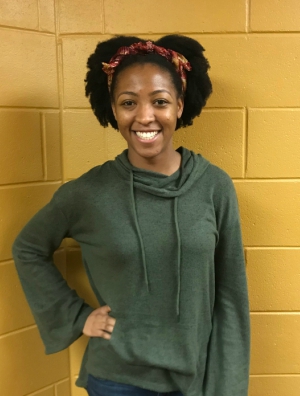
Five students gave performances of their best spoken poetry, but only one took home the grand prize. Sophomore English and Psychology major Kayla Kilgore was the winner, with her two poems entitled “Ode to My Chicks” and “Am I Not My Brother.” She was followed by runner-up Ryan Manuel and second runner-up Liz Pence.
IMG_2227
Kayla Kilgore, the winner. Photo by Caralyn Geyer.

Kilgore said her poems were based on personal experiences and focused on topics of homosexuality and technology as a god.

“I know other people struggle with these things and I want to be a voice of peace on the other side of it so that I can help someone else,” she said. Through the performance aspect of the night, she said, “I hope it attracts a diverse audience. It’s not just for the people who like poetry. People should come for the experience and for a different way to hear a story.”

According to Lowell OIR representative Mandeep Kaur, “The Spoken Word” is not just a contest or about poetry, but it is a chance to share beliefs and help students have a voice.

“SAU students live in a bubble and this event is an opportunity for them to talk about issues more comfortably than on any other platform,” Kaur said.

Alongside Kaur, Eric Beda added, “This is a time to reflect on the history of people, reflect on the past, ponder the current time and hope for what the future may bring.”

In addition to the students, OIR welcomed special guest Jamaica West, a spoken word artist from Chicago. West gave several of her own performances throughout the night, while also playing the role of ‘host’ for the contestants. West said that the spoken word of poetry brings together poetry, creativity, imagination and creates an opportunity to hear the hearts of artists.

“It takes a lot of courage to stand in front of your peers and share your heart,” West said. “Today that is why we refer to them as artists.”
Pirates on Playgrounds

By L.J Richardson
Spring Arbor University brings Gilbert and Sullivan to the stage

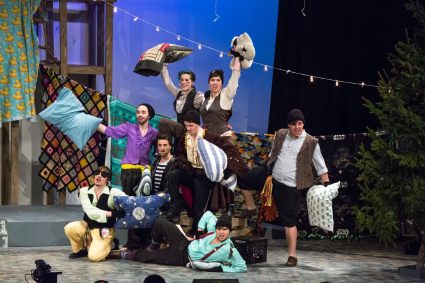
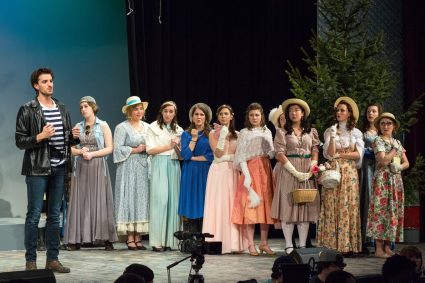
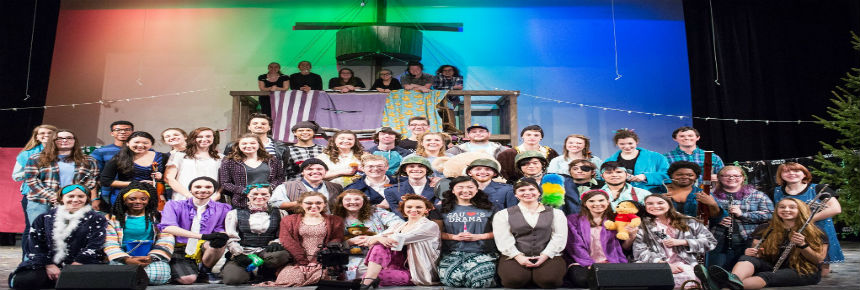
After a sabbatical semester Jen Letherer, associate professor of communications, returned to the stage to direct W.S. Gilbert and Arthur Sullivan’s comic operetta “The Pirates of Penzance” which showed in White Auditorium on Feb. 9-11 at 7:00 p.m. and on Feb. 12 at 3:00 p.m.

The decision to produce “Pirates” was a collaborative choice agreed upon by Dr. Mark Douglas and Dr. Natalie Emptage-Downs along with Letherer.

“[Natalie] said we had the voices to do a Gilbert and Sullivan Show,” Letherer said. “”Pirates” seemed the most accessible, and I came up with the idea of setting it on a playground.”

16665842_266256777128443_5822772375350692208_o
Photo by Kimmee Kiefer 

“The Pirates of Penzance” is historically set on the shores of England.

Letherer said, “The story is ridiculous, most opera stories are, and that’s why I think it’s funny we’re setting it on a playground. It strikes me as the kind of story people would just make up.”

According to Letherer, “Gilbert and Sullivan were the Shakespeares of musical theatre. The appeal of Gilbert and Sullivan is the music is incredible, the way it is scored is very memorable, clever, witty, wordy and beautiful. The integrity of the story and the integrity of the music carry it above and beyond.”


16665578_266258577128263_3431978393413812596_o
Photo by Kimmee Kiefer


In a show fraught with pirates, maidens and major generals, Letherer said truth and how it effects the characters was the overall message of the show: “Sometimes truth causes us to leave the ones we love and distance ourselves from those we care about when they are dishonest.” Letherer’s vison is that those who watch the play will examine the truth in their own lives.

Letherer said the one emotion that she wanted audiences to experience at the end of the show was joy. “As the finale states, ‘Poor wandering ones, though thee hast surely strayed, take heart of grace, thy steps retrace, poor wandering ones. Take heart.’”


Is TIDAL the Answer to Music Streaming?


from tidal.com
from tidal.com

You may have heard about the star-studded press conference held by Jay-Z on Monday. It was all in support of his recently acquired music streaming service, TIDAL.

Artists such as Alicia Keys, Arcade Fire, Daft Punk, Jack White Kanye West, Rihanna, Usher and Deadmau5 have been locked in as direct supporters and were even given a small piece of the company in return.

TIDAL’s claim to superiority in the streaming world is that it will stream CD-quality audio as opposed to the MP3 quality that platforms like Spotify and Beats Music use. These “CD-quality” files come in FLAC, WAV, AIFF and Apple Lossless files and take up significant more space than an MP3 or AAC file.

Jay-Z has come out strongly against the current music-streaming system which has seen much backlash for supposedly ripping off artists. Spotify has said that artists receive $0.007 per play and that it has paid more than $1bn in royalties since it’s launch in 2008.

Artists such as Thom Yorke and Taylor Swift alongside others have pulled their music from Spotify in protest. Spotify has responded by saying they believe their service is a valid alternative to piracy and they continue to pay out nearly 70% of all revenues in royalties.

However, this money rarely makes it too the artists before being thinned out. BBC news said, “This 70% is usually paid direct to record labels, who take their cut before it reaches managers and artists.”

Dave Johnson of TIME released an article outlining what artists earned from streams based on Spotify’s current payout rate and the amount of streams the artist received. At roughly 30 million (M) plays in October 2014, Stay With Me would’ve earned Sam Smith $170k-240k. At 20M plays, Cool Kids would’ve earned Echosmith $120k-170k. Although this amount is perhaps not as large as it would be if the albums were downloaded in full from iTunes or bought in a store, it’s certainly not chump change.

I’ll admit, I love Spotify. I pay the $9.99 per-month fee for their premium subscription. Aside from the ability to access nearly any album or song at anytime for one flat rate I enjoy the usability and format of their app. Everything is no more than a couple easy clicks away and the app is appealing to the eye in a streamlined sort of way.

I also, however, will go out to a store and buy a hard copy of an album if I like it. In fact, I bought two albums in Best Buy this week after listening to them on Spotify and enjoying them. I want to support the artists as much as I can.

Online music streaming doesn’t have to be a bad thing. Hopefully all of this conversation leads to improvement in all areas of the industry. In the meantime, do what you can to support the artists you love. Spare the $8-10 to buy an album in a store, every purchase matters.

By Jesse Gentry

Top 10 Music Videos from 2012-2015

What is the first music video you can remember watching?  The first I remember watching was “Wrong Way” from Sublime. I remember the video being super goofy and weird, however, what else can one expect from a music video made in the 90’s?

The 2015 YouTube music awards took place last week, so in light of that, I have compiled a list of the top 10 videos from 2012-2015 having particular visual, artistic, and narrative interest. Each video has unique qualities either from how they were filmed, edited, and performed. On especially important quality to acknowledge is the visual narrative each song delivers.

Just like films, novels and music albums, great music videos impact and bring awareness to the viewer. Some say an artist’s potential lies in their ability to write, perform, create and sell music. This is accurate, however, an artist’s ability to synthesize multiple art mediums separates performers from artists. In America, modern pop culture is the societal collective of our beliefs, values, interest, and traditions. Hence, when a valued and largely followed artist has a music video, in essence they’re demonstrating the visual narrative of our pop culture. The music videos that comprise this list demonstrate significant artifacts in pop culture trends.

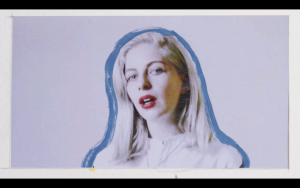
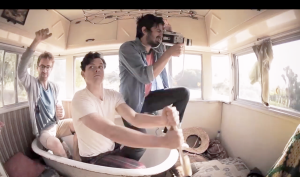
1. Alvvays-Next of kin. The effects and artfulness, enhances the mood and vibe of this melodic gem.
Connor Gilhooly
Connor Gilhooly
2. TV on the Radio- Happy Idiot, Paul Reuben (Pee-wee- Herman) and Karen Gillian (Doctor Who, and Guardians of the Galaxy) star in the video. 
Danny Jellnek
Danny Jellnek
3. Mogwai-Teenage Exorcist, The unique use of practical and digital effects that is seen in the video. 
Craig Murray
Craig Murray
4. Young the Giant- Apartment, the narrative and plot uniquely integrates the story of a man having an adventurous birthday and the lead singer dreaming about the events that took place. 
Marcus Haney
Marcus Haney
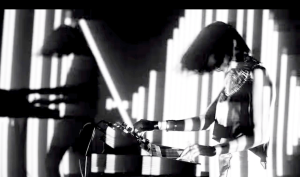
5. Phantogram-Fall in love, the use of special effects and performance displayed by the group that shows the intensity and emotion of the song.
Joshua Davis and Timothy Saccenti
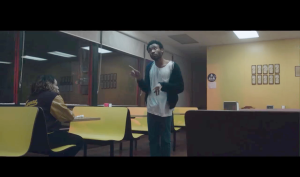
6. Childish Gambino –Sober, the 80’s R&B pop vibe the song has, also the dance moves that Donald Glover throws down, and the various technical changes in the video. 
Hiro Murai
Hiro Murai
7. Foster the People- Best Friend, the intense and trippy effects of this dark twisted narrative depicting how the idea of beauty can be an addiction and lead to one’s downfall. 
Brewer
Brewer
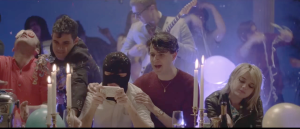
8. Vampire Weekend- Diane Young, the cameos of indie/pop artist such as Sky Ferreira, Santigold, Chromeo, Despot, Dave Longstreth of the Dirty Projectors, and Hamilton Leithauser from The Walkmen and their all having a party. 
Primo Kahn
Primo Kahn
9. Death cab for cutie- Black Sun, the Music video is about death cab for cutie making a music video, the irony.
Robert Hales
Robert Hales
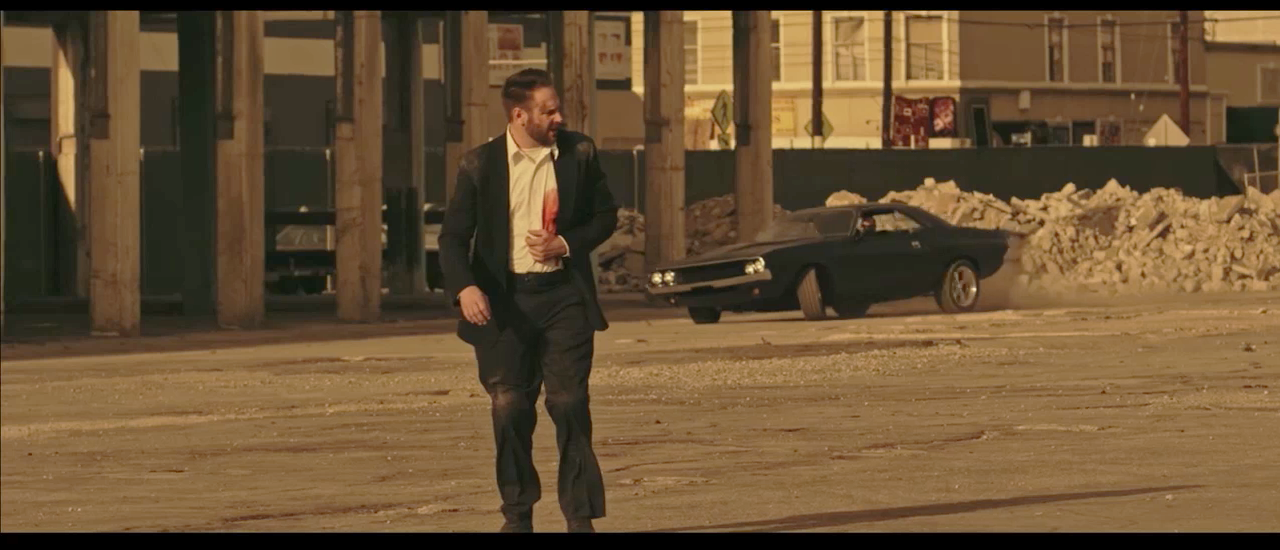
10. Joey Bad$$- Like me, the emotional content and story of the main characters struggles of being a black minority facing street life, police, love affairs and grudges. Near the end of the video Joey Bada$$ pays respect to fallen minorities, as they’re being resurrected from the after life.
Nathan R. Smith and Joey Badda$$

Pebble Time


apple-event-0909-28[1]
from wired.com

Many people are aware of the famous (or infamous) device: the Apple Watch. It is designed to be the equivalent of a tiny iPhone attached to straps and can be worn as a watch. Many criticize its small screen, low battery life and high costs. But people still want to buy the miniscule timepiece. This fact caught the attention of Eric Migicovsky, CEO of the company Pebble.

Three years ago, Pebble created their first smartwatch, and crowd-sourced the funds to create it. They managed to raise a whopping $10 million, with 69,000 people backing it. But now, Pebble has outdone even that amount with their new efforts to crowd-source the second model of their watch, Pebble Time.

The company set their initial goal at a humble $500,000. But on the very first day they set a new record for the fastest record for any crowd-sourced item has reached $1 million. Within only 49 minutes they had shattered the record, and by the end of the week had raised more money than any other Kickstarter campaign to date. The Pebble Time is currently being backed with over $20.3 million, with 78,463 people pitching in.Kickstarter-featured_image[1]

The second highest-funded Kickstarter, the Coolest Cooler came in at only $13.3 million, and Pebble’s first Pebble Time creation still holds third place at $10.2 million. Those are even higher than the efforts to fund wireless ear buds and bringing back the popular children’s tv program Reading Rainbow. In fact, the amount of money going into the funding of Pebble Time is slightly over 1% of America’s total gross domestic product.

To put that into perspective, with the amount of money pledged to the creation of this smartwatch, a single person could buy:

1. 2 million and 30 thousand slices of Marino’s pizza.

2. 50 decent-sized houses in a nice neighborhood (official estimate terms used)

3. LeBron James’ mansion in Miami, and still have a nice $3.3 million left over

4. Or 1,194 of the most expensive versions of the new Apple Watch

But why are people going nuts over Pebble? To look at that, you need to look into why the original Pebble sold so well, as well as what is promised with the new Pebble Time.

Pebble 

The original Pebble has a wide variety of features. It can synch up to almost any smartphone device, unlike the Apple Watch which is only compatible with iPhones and other Apple devices. It is also water resistant, has access to thousands of apps and most importantly has a massive battery life of around 7 days. The Apple Watch’s biggest complaint is its small battery life, needing to be charged up about every day.

from the verge.com
from the verge.com

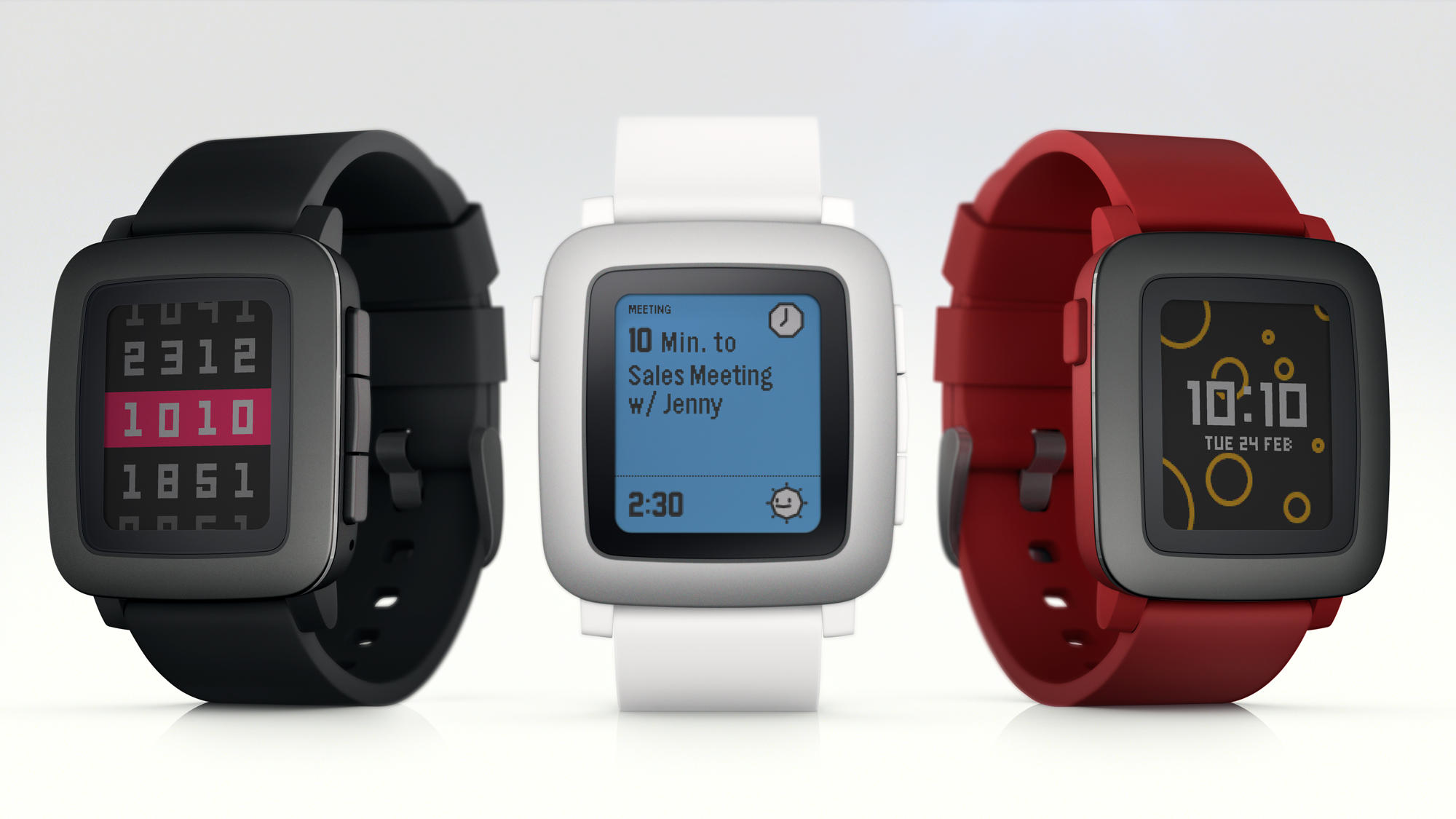
The Pebble Time, the new second edition product, boasts a more improved version of the already popular previous model. It will have a color screen, even better battery life, a thinner model than the original Pebble and even a microphone.

Needless to say, whatever Pebble is doing, it is doing it right. With 78 ,000 backers and over $20 million in pledges, people want this new gadget and they want it badly. Watch out Apple, you’ve got competition and its name is Pebble.

By Evan Roberts

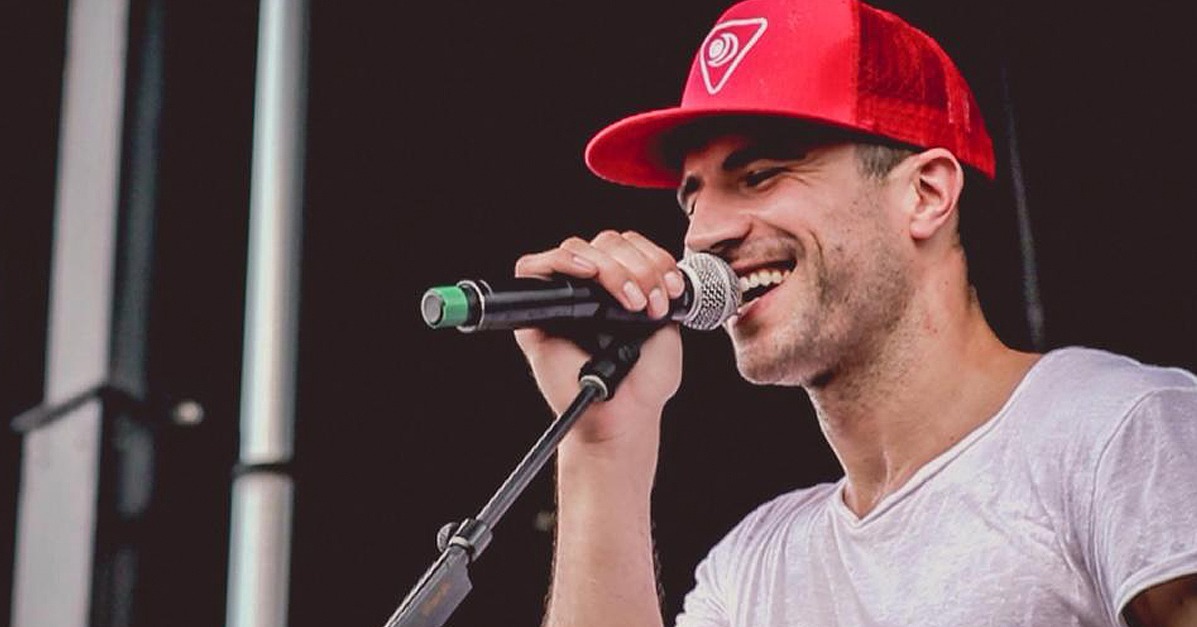
Sam Hunt: On The Rise

One of Nashville’s biggest up and coming artists has a lot more to him than people may realize. The chart-topping Sam Hunt once was a highly touted high school football player who went on to play quarterback at Middle Tennessee State before transferring to play at UAB. His talents on the field were enough to warrant him an invitation to an NFL training camp but his NFL career never took off. That may not be a bad thing, especially for us.

After making the move to Nashville to pursue music, Hunt wrote songs with the likes of Kenny Chesney, Keith Urban and Billy Currington. Chesney’s “Come Over,” Urban’s “Cop Car,” and Currington’s “We Are Tonight,” are a few of the well known songs he has written.

Hunt’s style is also unique, traversing genres to bring a blend of R & B, Country, Pop and even some EDM influences. In an October 2014 article interview with Marissa R. Moss of the Rolling Stone he explains his unique sound saying, “I am from the country, and I grew up mostly influenced by country music,so by the definition I have, these are country songs, not pop songs. Even though there may be a pop element, pop is an ambiguous word and can mean a lot of different things. I’m not trying to become a pop artist, and I’m not trying to make sure I stay a country artist. I’m just trying to make sure I make the best music I can, according to my way.”

His debut full-length album “Montevallo” reached #1 on the country charts and the top 3 in nearly every other. The first single off of the album, “Leave the Night On,” went platinum (at least one million sold). No matter what kind of music you’re into, you’re bound to find a song on it that you enjoy.

In an article written by Dacey Orr of Wondering Sound, Hunt gave his opinions about the direction country music is headed and the changes in the overall sound of country music. He said, “I do believe that it’s breaking down some of the stereotypes that have prevented people historically from giving country a chance. So I think that’s a good thing.”

Hunt has recently embarked on his first major headlining nationwide tour, of which many shows have sold out. This summer he will be touring with the likes of Lady Antebellum and playing some of the country’s biggest festivals.

Though he has only released one full-length album to date, Hunt has found great success in a hurry. Look for him to build on this momentum and release new music in the coming year.

By Jesse Gentry

Stoked For Dracula

DSC_0143ed
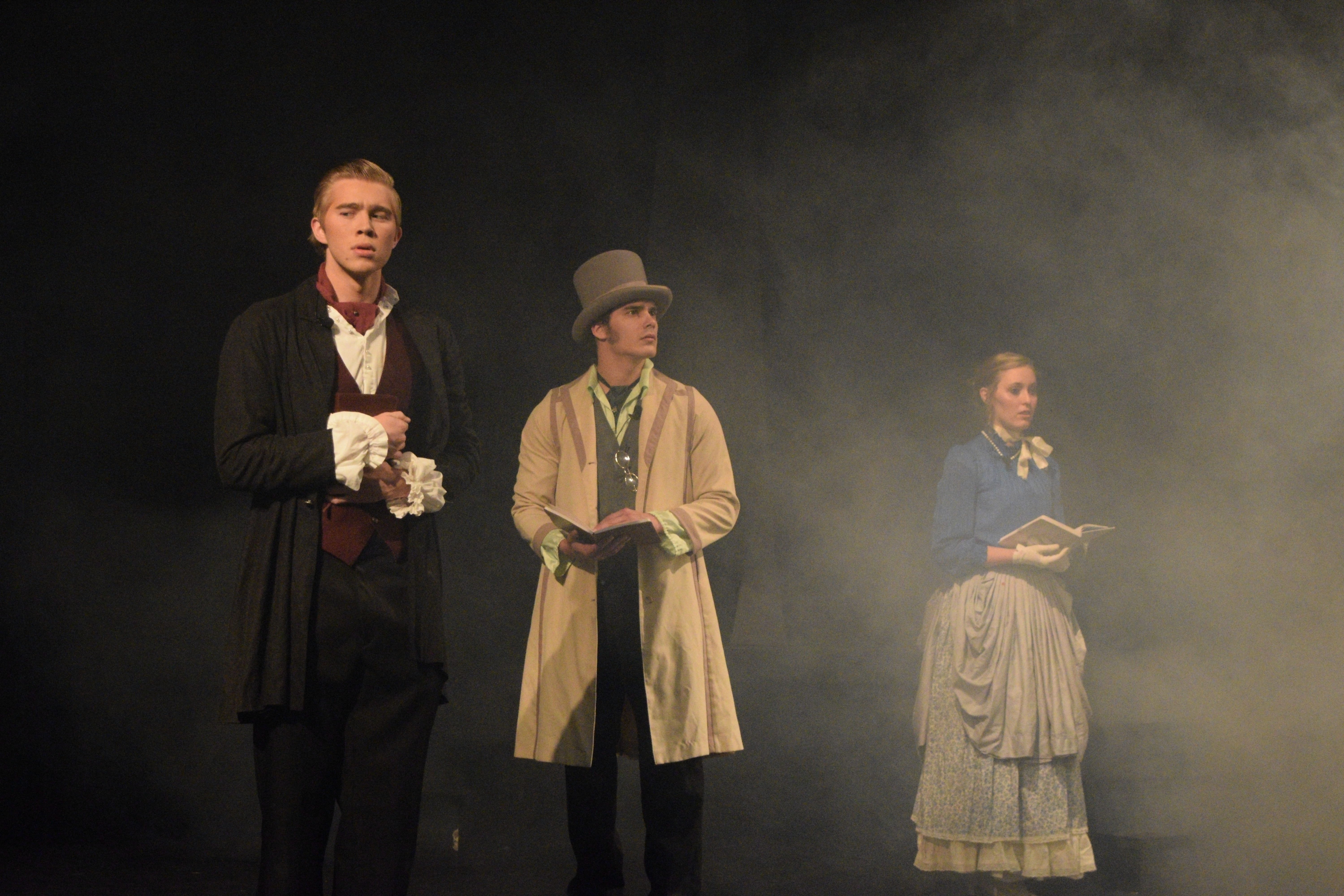
John Broda, Logan Hurtado, and Tessa Horon

Spring Arbor University’s (SAU) “Dracula” production was not the typical fangs
and blood rendition some might have been expecting, according to director Trevor
Tracy.

The small cast, regarded as “delightful” by Tracy, auditioned in early
September and had a short amount of time to prepare for the shows that took place on October 23,
24, and 25.

While this was SAU’s third show around Dracula, Tracy said this interpretation was
different because it was strongly based on Bram Stoker’s novel and journal entries.
He described the performance as enticing. Representing several forms of sin,
Dracula’s pride and appeal conveyed an attitude similar to that of the devil.
“Dracula is the embodiment of the biblical perspective of the nature of evil,” said
executive producer Dr. Paul Patton.

DSC_0284_cr
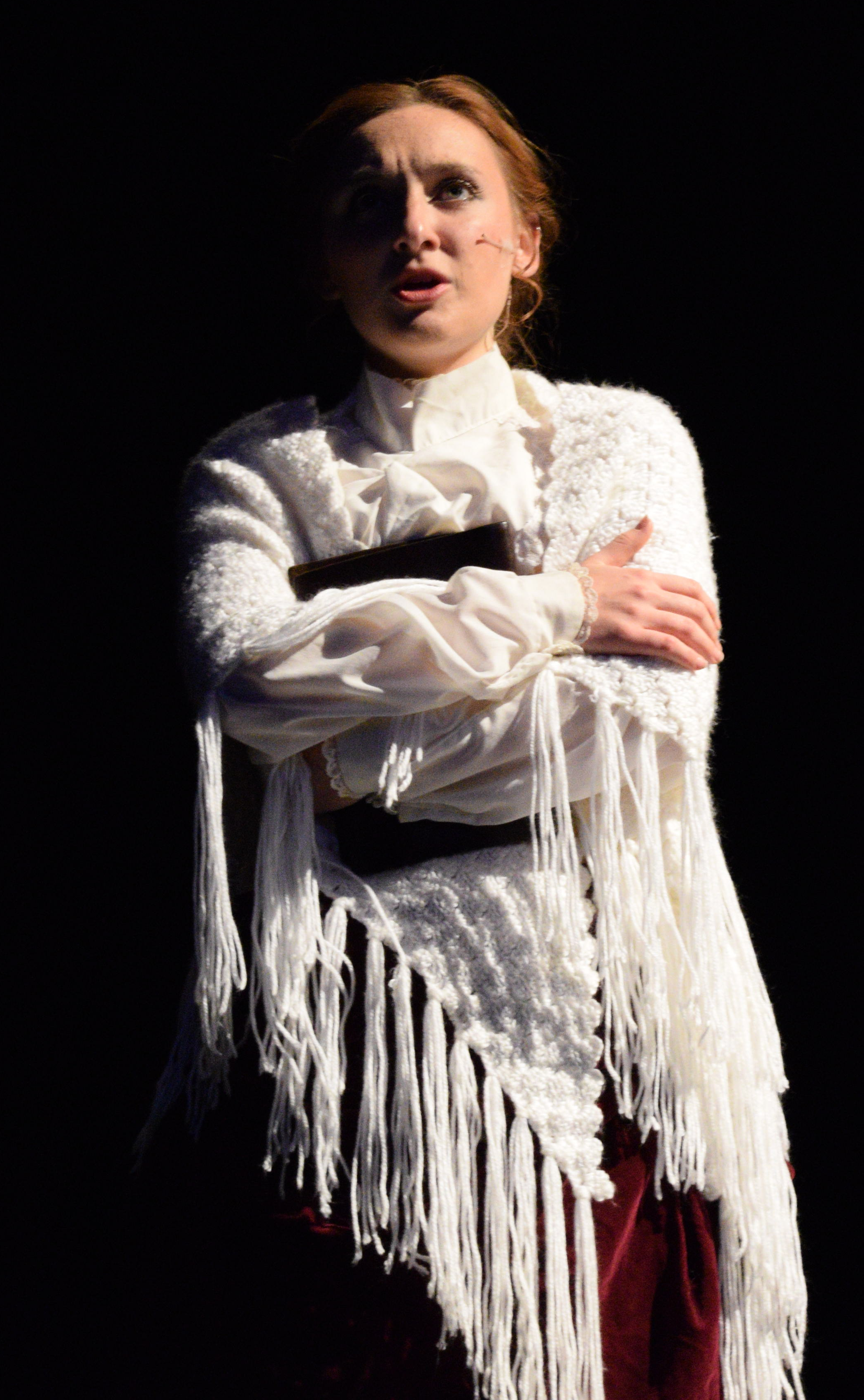
Rachel Gerrild as Mina

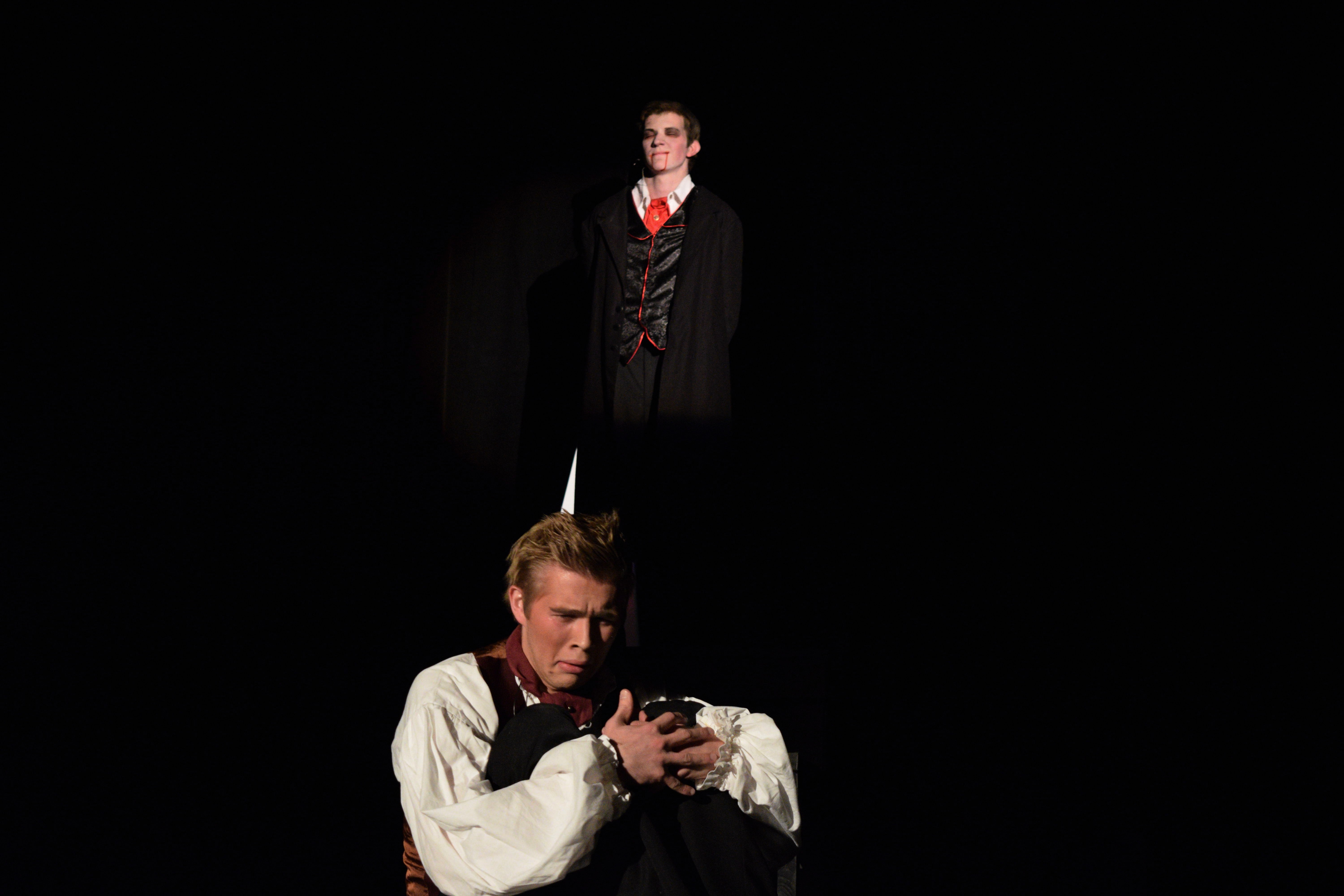
Sophomore Zach Barber played the role of Dracula. Barber said the role was the darkest he had ever attempted, so the challenge was exciting.

Sophomore Rachel Gerrild took on the lead of the sweet and innocent Mina Harker. Gerrild said the role stretched her as an actress because she had to portray a deep amount of terror.

“The story shows how evil can be appealing, but in the end, it will use whatever it can to
destroy,” said Gerrild

Written specifically for this show, the score departed from the traditionally gothic
version. It focused on the biblical symbols seen through the righteous doctor,
Abraham Van Helsing. Tracy said he took the underlying theme of redemption very
seriously when directing the cast.

Tracy graduated from SAU two years ago with a bachelor’s degree in theater. This
was his third time directing an SAU show. His favorite part of directing “Dracula”
was the challenge to remain convincing even in the melodrama. He also found it
appropriate for “Dracula” to be shown on the weekend before Halloween because of
its chilling plot.

“The suspense will kill you; it will send you home un-eased,” said Tracy.

Zach Barber as Dracula


By Sarah Dean